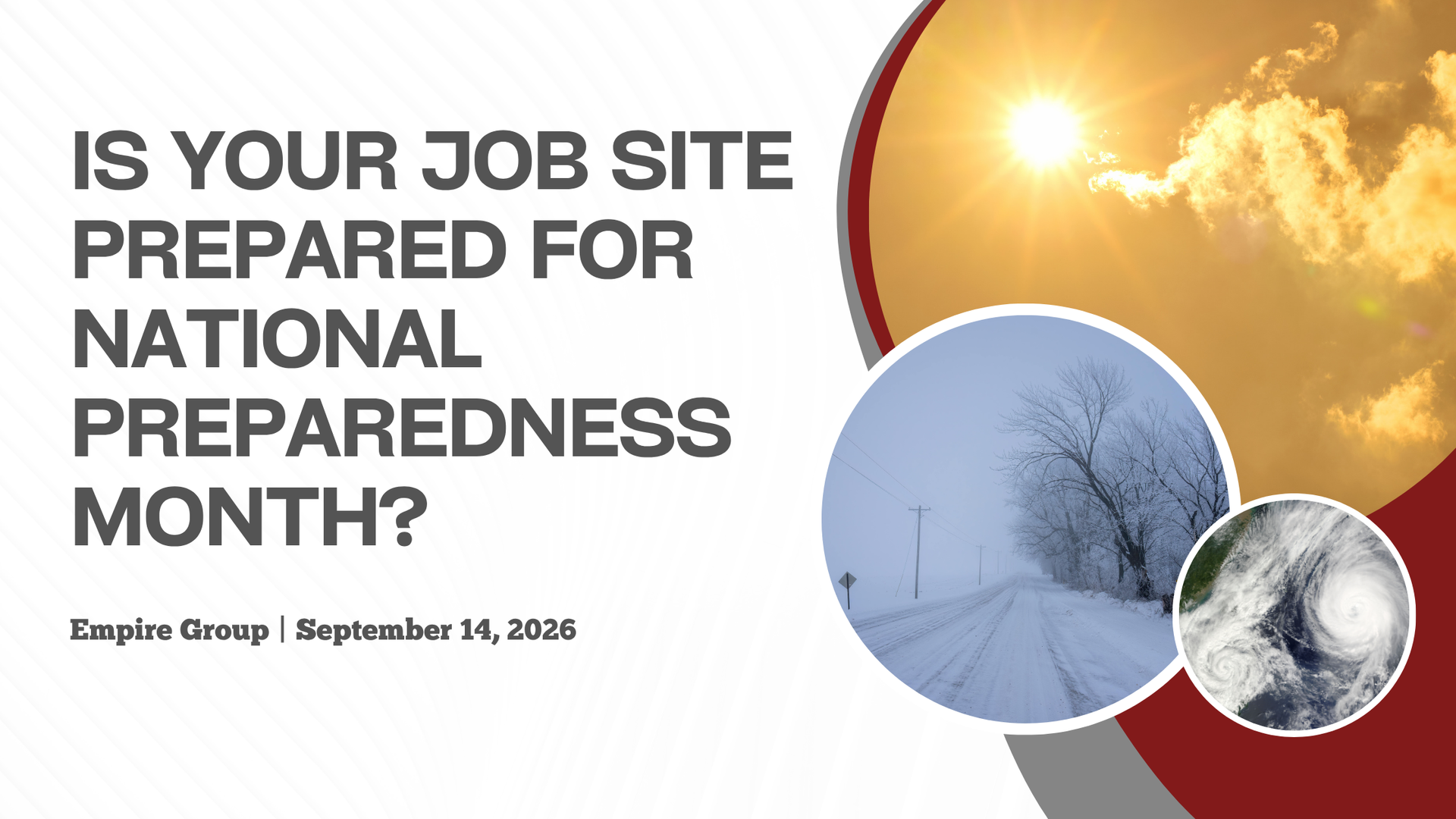
September is National Preparedness Month—and for construction, demolition, and field-based businesses, it’s the perfect time to ask: Is your job site (or business) truly prepared for severe weather?
Every September, National Preparedness Month reminds businesses, families, and communities across the country to take emergency planning seriously. The Federal Emergency Management Agency (FEMA) has observed National Preparedness Month since 2004, following the increased national focus on emergency preparedness after September 11, 2001.
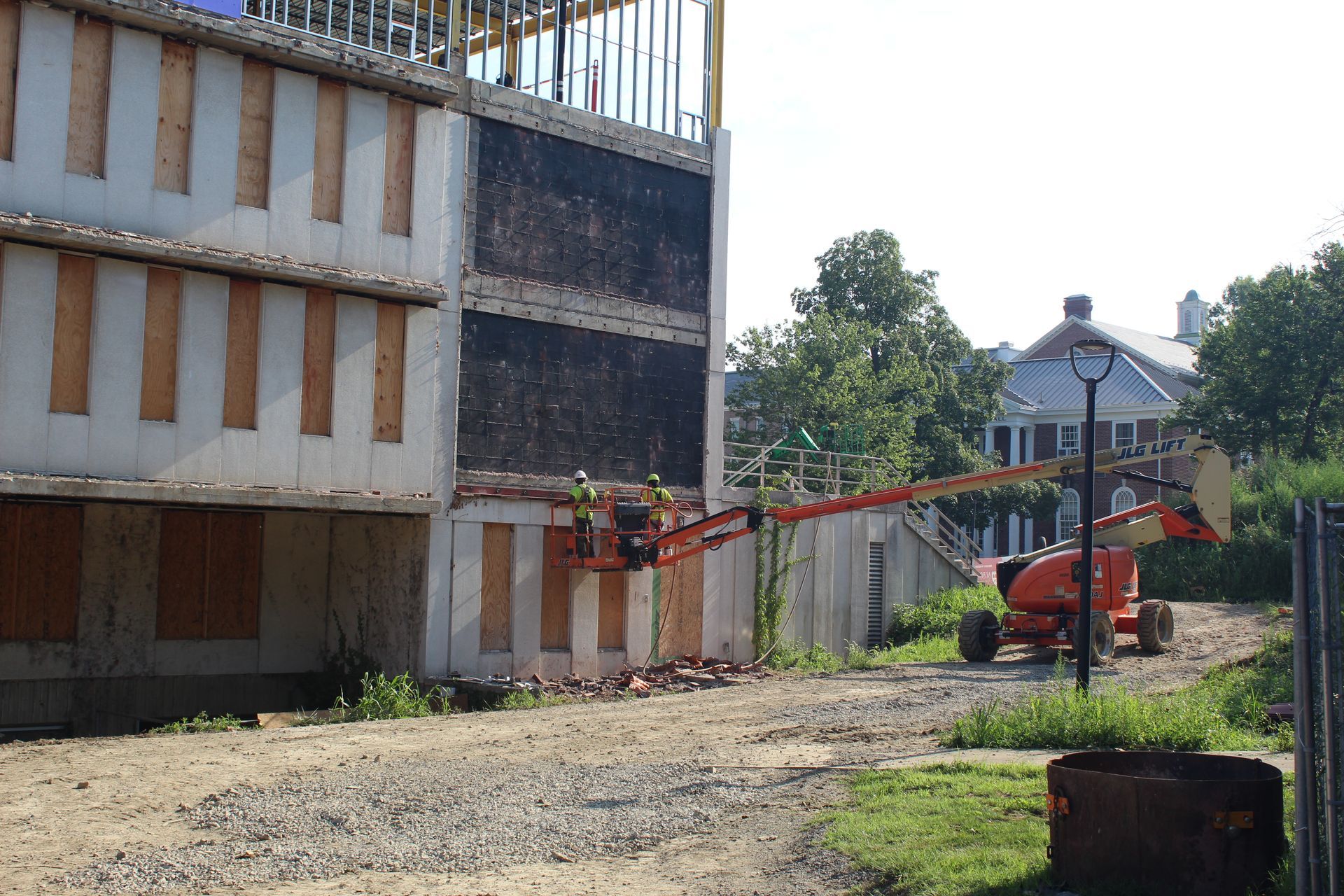
This year, FEMA’s theme is “Americans Stand Ready,” emphasizing the importance of taking proactive steps before an emergency (e.g., a natural disaster) happens. On construction and demolition sites, severe weather can quickly create hazards involving high winds, flooding, structural instability, electrical systems, debris, equipment, and worker safety.
And with September marking the peak of the Atlantic hurricane season, there is no better time to review your emergency response plan.
The 2026 Hurricane Season: What the Latest Numbers Tell Us
The Atlantic hurricane season officially runs from June 1st through November 30th, with peak activity typically occurring around mid-September. The National Hurricane Center identifies September 10th as the climatological peak of Atlantic hurricane activity, making National Preparedness Month especially relevant for businesses operating outdoors or in hurricane-prone regions.
The National Oceanic and Atmospheric Administration’s (NOAA) updated 2026 outlook gives the Atlantic a 75% chance of a below-normal season, with a 70% probability of 7 to 13 named storms, two to six hurricanes, and two major hurricanes. The season runs through the end of November, and NOAA expects most activity to occur in August, September, and October.
Although the season has gotten off to a slow start, businesses should not stop preparing. Several severe thunderstorms (even tornadoes) in Southeastern Pennsylvania over the summer have caused property damage and power outages. According to Pennlive.com, the National Weather Service issued more warnings for severe thunderstorms, tornadoes, and flash floods in Pennsylvania than in the last 25 years.
For a construction or demolition site, one severe storm can cause significant damage, interrupt operations, delay schedules, and expose workers to serious hazards.
Is Your Job Site/Business Ready for Severe Weather?
National Preparedness Month is an opportunity to look beyond the standard emergency checklist.
Ask your team:
1. Do employees know where to go during severe weather?
Every worker should know what to do when severe weather threatens the site or facility.
Your emergency plan should identify:
- Designated shelter or safe areas
- Evacuation routes
- Emergency exits
- Communication procedures
- Accountability procedures for workers and visitors
- Who has authority to stop work or evacuate the site?
A plan is only effective if employees understand it before an emergency occurs.
2. Is the job site prepared for high winds?
Construction sites can contain temporary structures, scaffolding, materials, signage, equipment, debris, and other objects that may become dangerous during high winds.
Before severe weather arrives, evaluate what can be secured, removed, relocated, or otherwise protected.
3. Are you prepared for flooding?
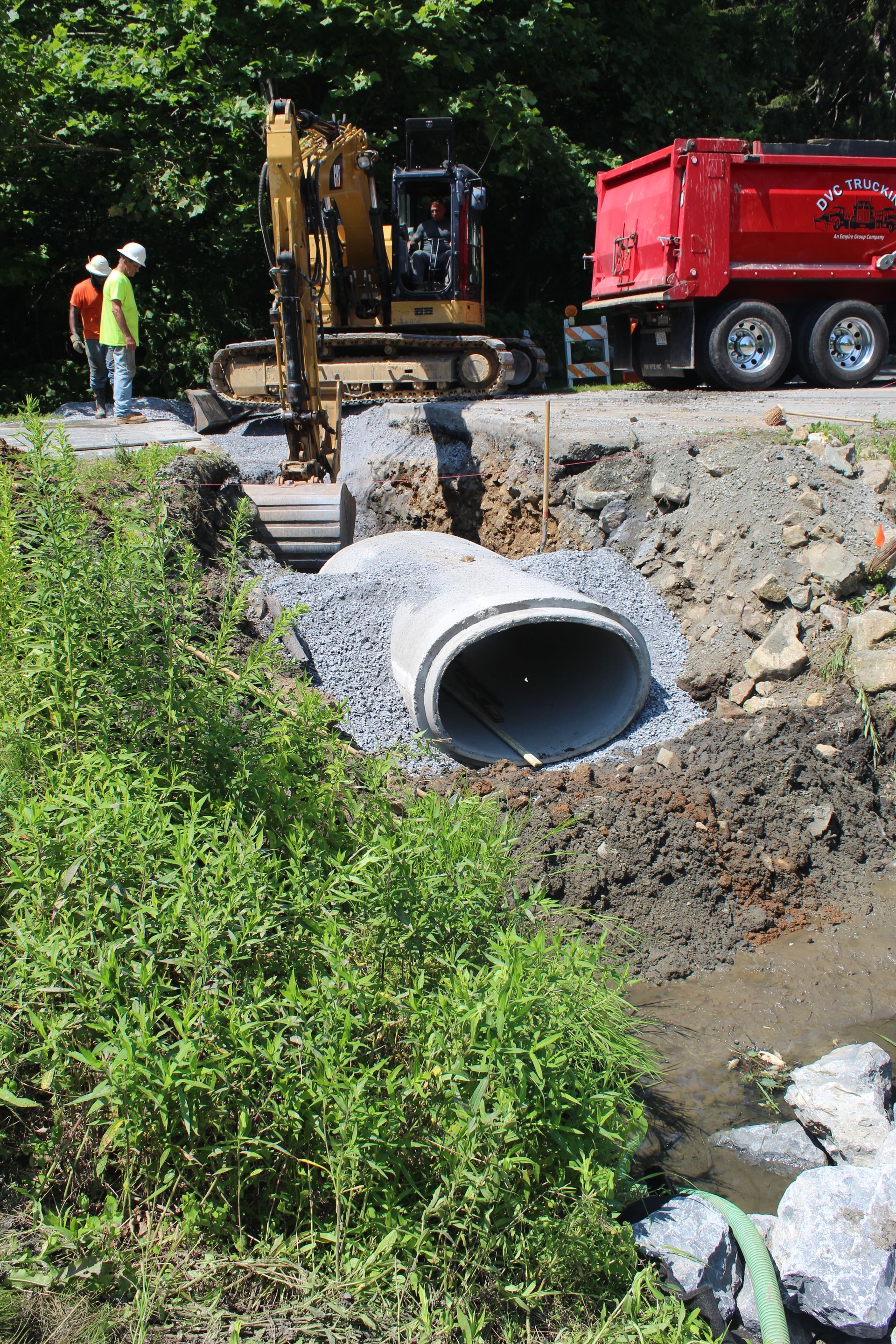
Hurricanes and tropical storms can bring more than wind. Heavy rainfall and flooding can create dangerous working conditions, damage equipment, undermine structures, and introduce electrical and contaminated materials.
After flooding, workers should not simply return to work because the rain has stopped.
A competent person should inspect structural stability to determine if temporary shoring or bracing is necessary.
4. Do your workers know how to identify post-storm issues?
The danger doesn't necessarily end when the storm passes.
Post-storm construction issues can include:
- Downed power lines
- Live electrical equipment
- Gas leaks
- Structural damage
- Standing or contaminated water
- Unstable walls and floors
- Damaged tools and equipment
- Debris and sharp objects
- Mold and other environmental hazards
Workers should assume downed electrical lines are energized until confirmed otherwise and should not approach downed conductors. Gas leaks also require immediate caution, evacuation, and appropriate utility response.
5. Is your cleanup plan as strong as your storm plan?
One of the most overlooked aspects of emergency preparedness is recovery.
Your emergency plan should address what happens after the storm—including site assessment, debris removal, structural evaluation, equipment inspection, employee communication, and the safe resumption of work.
Before workers begin cleanup, make sure they understand the issues they may encounter and have the appropriate training, equipment, and protective measures.
Make Preparedness Part of Your Safety Culture
At Empire Group, we understand that every project has different risks, locations, schedules, personnel, and operational requirements.
That is why having a site-specific emergency preparedness plan is vital. One of our affiliates, Elk Environmental Services, has a dedicated Environmental, Health and Safety Training Team that specializes in customized emergency preparedness planning. They can help businesses develop or update emergency procedures to meet their specific operational needs and applicable local, state, and federal requirements.
Taking action before an emergency is always better than trying to build a plan in the middle of one.
Final Thoughts
The 2026 Atlantic hurricane season may currently be tracking below normal, but that does not mean to rest on your laurels. With hurricane season continuing through November 30th and September marking its climatological peak, preparedness remains a priority for construction and field-based businesses.
For Empire Group, its affiliates, and its clients, the message is straightforward:
Know your risks. Have a plan. Train your people. Protect your job site. Be ready to respond.
Ready to Strengthen Your Emergency Preparedness Plan?
Don't wait for the next natural disaster to reveal a gap in your safety procedures. Schedule a safety consultation with Ed Clemas or Jamie Caron today and take the next step toward a safer, more resilient operation with support from the Environmental, Health & Safety Training Team at Elk Environmental Services.