Every business has a responsibility to protect its employees. Whether it's preventing falls on a construction site, ensuring proper handling of hazardous materials, or promoting safe driving practices, workplace safety remains one of the most important investments an organization can make.
National Safety Month gives employers across industries an opportunity to reinforce their commitment to safety, educate their teams, and strengthen workplace practices that help prevent injuries and save lives.
Why National Safety Month Matters
Despite significant improvements in workplace safety over the years, workplace incidents continue to impact businesses and employees nationwide. According to the U.S. Bureau of Labor Statistics, there were approximately 5,070 workplace fatalities in 2024, representing a 4% decrease from the previous year. Nonfatal workplace injuries and illnesses also declined by 3.1%, with a total of approximately 2.5 million cases.
While these numbers indicate progress, they also highlight the ongoing need for safety awareness, training, and proactive risk management.
National Safety Month serves as a reminder that safety is not a one-time initiative—it is a year-round commitment that requires participation from every level of an organization.
The Evolution of Workplace Safety
Workplace safety has come a long way since the passage of the Occupational Safety and Health Act (OSH Act) of 1970. The legislation established important standards designed to protect workers and reduce occupational hazards.
Over the decades, businesses have adapted to changing work environments, emerging technologies, and evolving safety risks. Modern workplaces now face challenges ranging from ergonomic concerns and mental health issues to distracted driving and the operation of advanced machinery.
As industries continue to evolve, so must their safety programs.
Happy 30th Anniversary!
The National Safety Council (NSC) launched National Safety Month in 1996 to increase awareness of preventable injuries and fatalities both in the workplace and beyond.
Observed each June, National Safety Month arrives during a season when certain risks become more prevalent, including:
- Heat-related illnesses and heat stress
- Construction and roadway hazards
- Increased travel and driving activity
- Outdoor work-related injuries
- Slips, trips, and falls
The campaign encourages organizations to evaluate their safety practices, educate employees, and create safer work environments.
National Safety Month 2026 Weekly Themes
The National Safety Council has identified four key focus areas for National Safety Month 2026. Each week enables organizations to spotlight specific safety topics and reinforce best practices.
Week 1: Moving Safety Forward
The first week focuses on strengthening safety cultures and encouraging continuous improvement.
Week 2: Staying Safe on the Roads
Motor vehicle incidents remain one of the leading causes of workplace fatalities. Employees who drive as part of their job responsibilities face unique risks that require ongoing education and awareness.
Week 3: Promoting Holistic Worker Health
A safe workplace extends beyond physical hazards. Employee well-being plays a critical role in overall safety performance.
Week 4: Preventing Slips, Trips & Falls
Slips, trips, and falls remain among the most common workplace incidents across many industries.
Creating a Lasting Safety Culture
The most successful safety programs extend far beyond a single month. National Safety Month can serve as a catalyst for ongoing improvement, but lasting results come from maintaining safety as a daily priority.
Organizations that foster strong safety cultures often experience:
- Fewer workplace injuries
- Reduced downtime
- Improved employee morale
- Greater productivity
- Lower workers' compensation costs
- Enhanced regulatory compliance
When leadership and employees work together to prioritize safety, everyone benefits.
Final Thoughts
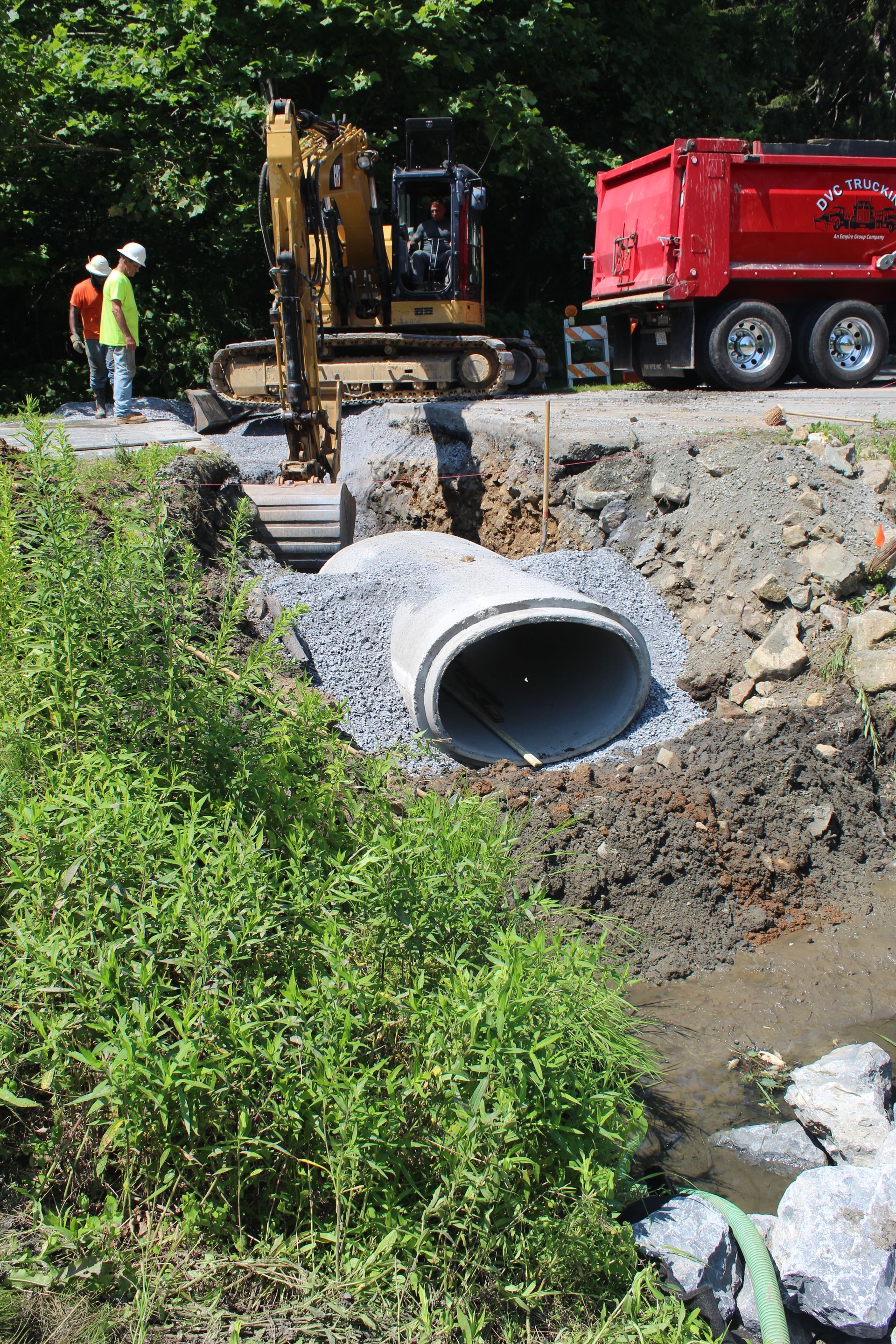
At Empire Group, safety is our top priority. We've implemented numerous processes and systems to ensure a methodical, controlled, and comprehensive approach to every project across our affiliated companies. This includes personal protective equipment for each team member, equipment training, and rigorous safety protocols designed to minimize risk and ensure compliance with industry standards.
Through our affiliate Elk Environmental Services, you’ll find over 40 health and safety training courses led by experienced OSHA-authorized outreach trainers. They can customize trainings to meet your company’s specific needs, such as scheduling a training for second shift or conducting a training at a venue of your choice. Also, Elk’s safety team conducts safety audits and job hazard analyses to proactively identify and address potential issues before they become incidents.
Workplace safety is a shared responsibility that demands continuous effort and accountability. National Safety Month serves as a reminder to prioritize safety in all facets of work. By actively engaging with the designated themes and investing in comprehensive training, organizations can cultivate a culture that protects employees and fosters productivity.