Industrial remediation projects are rarely as simple as excavating contaminated soil and hauling it away. Whether contamination is discovered during a property transaction, facility expansion, tank closure, or environmental assessment, remediation involves a series of coordinated steps that can span months or even years. Site investigations, regulatory planning, field services, waste management, and documentation all play a role in moving a project toward closure.


For industrial facilities throughout Pennsylvania, many of these projects are completed under the Pennsylvania Department of Environmental Protection’s Act 2 Land Recycling Program, which provides a framework for investigating contamination, achieving cleanup goals, and returning properties to productive use.


Elk Environmental Services (Elk), one of our affiliates, provides remediation support that extends throughout the entire project lifecycle. From site preparation and contaminated material handling to transportation and disposal, Elk works alongside environmental consultants, engineers, contractors, and site managers to keep remediation projects moving efficiently while maintaining compliance.


Understanding Site Conditions Before Remediation Begins


Every successful remediation project starts with understanding the extent of contamination. Before cleanup activities can begin, environmental professionals must determine what contaminants are present, where they are located, and whether they pose a risk to human health or the environment. This investigation phase often includes soil sampling, groundwater monitoring, historical records reviews, and site inspections designed to establish the boundaries of contamination and identify potential pathways for migration.


Industrial contamination can originate from many different sources. Historical manufacturing operations, petroleum releases, leaking storage tanks, chemical handling areas, wastewater management systems, and accidental spills can all contribute to environmental impacts that require remediation. In some cases, contamination may be limited to a small area. In others, contaminants may have migrated through soil or groundwater over time, creating a larger and more complex project.


The information gathered during site investigations helps establish remediation objectives and provides the data needed to develop an effective cleanup strategy. It also allows project stakeholders to evaluate schedules, budgets, disposal requirements, and regulatory obligations before work moves into the field.


Planning a Remediation Strategy Under Act 2


Once site conditions have been defined, planning becomes the next critical phase. Pennsylvania’s Act 2 program gives environmental professionals flexibility when selecting remediation standards based on site conditions and future property use. The program was created to encourage voluntary cleanup efforts while maintaining protections for human health and the environment, making it an important tool for industrial property owners, developers, and manufacturers.


During the planning phase, environmental consultants work to establish cleanup goals, evaluate remedial alternatives, and prepare the documentation necessary to move a project forward. The Pennsylvania DEP provides detailed standards and guidance for Act 2 projects through its remediation program resources, helping project teams understand reporting requirements and cleanup expectations.


For active industrial facilities, remediation planning often extends beyond environmental considerations. Project teams must account for production schedules, site access limitations, utility infrastructure, truck traffic, and worker safety requirements. Careful planning helps reduce disruptions while creating a roadmap for the field activities that follow.


Where Cleanup Happens: Field Operations and Remediation Activities


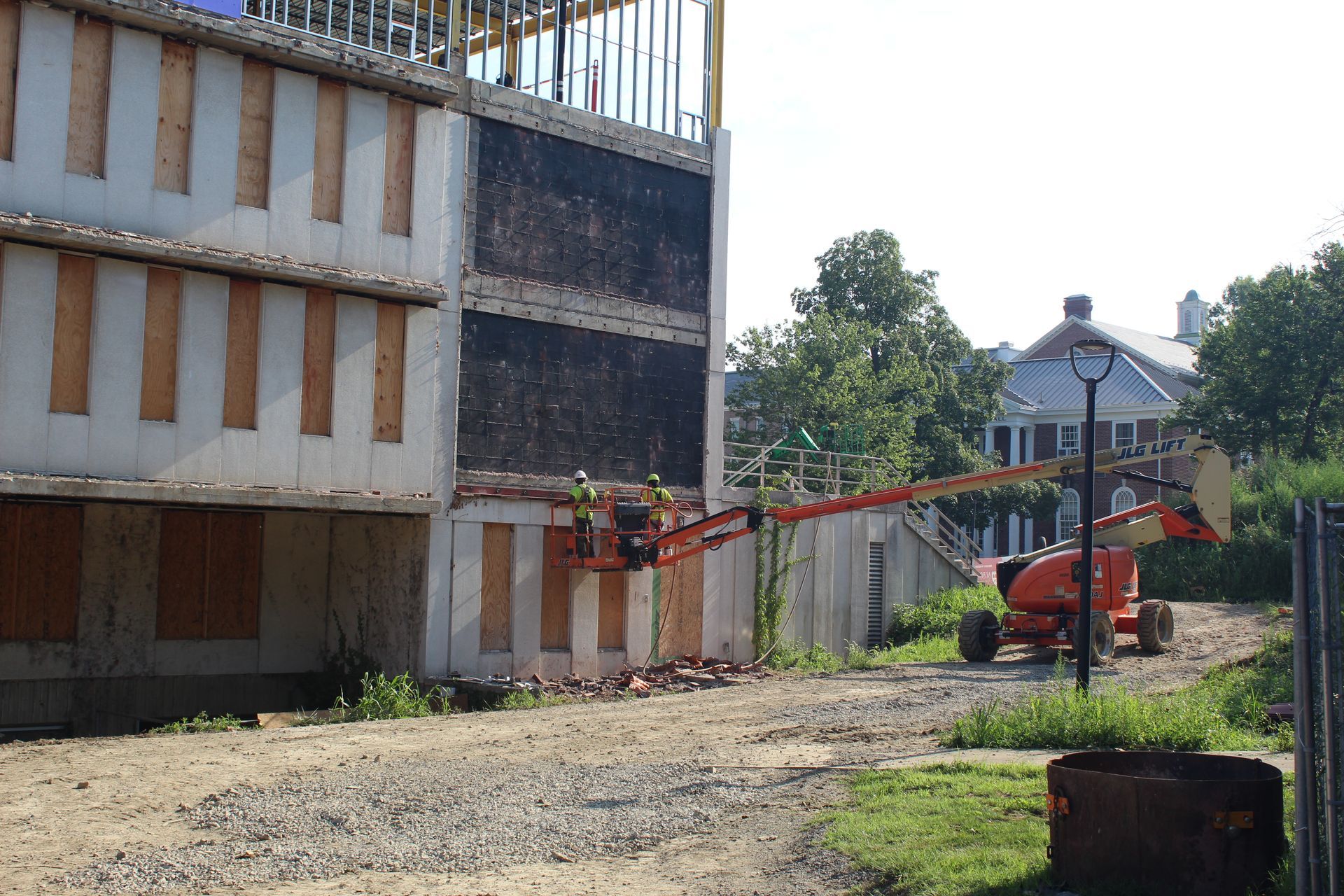
Once planning is complete, remediation activities move into the field. This phase often represents the most visible part of the project, but it is also where coordination becomes especially important. Cleanup activities must be performed safely, efficiently, and in accordance with project objectives and regulatory requirements.


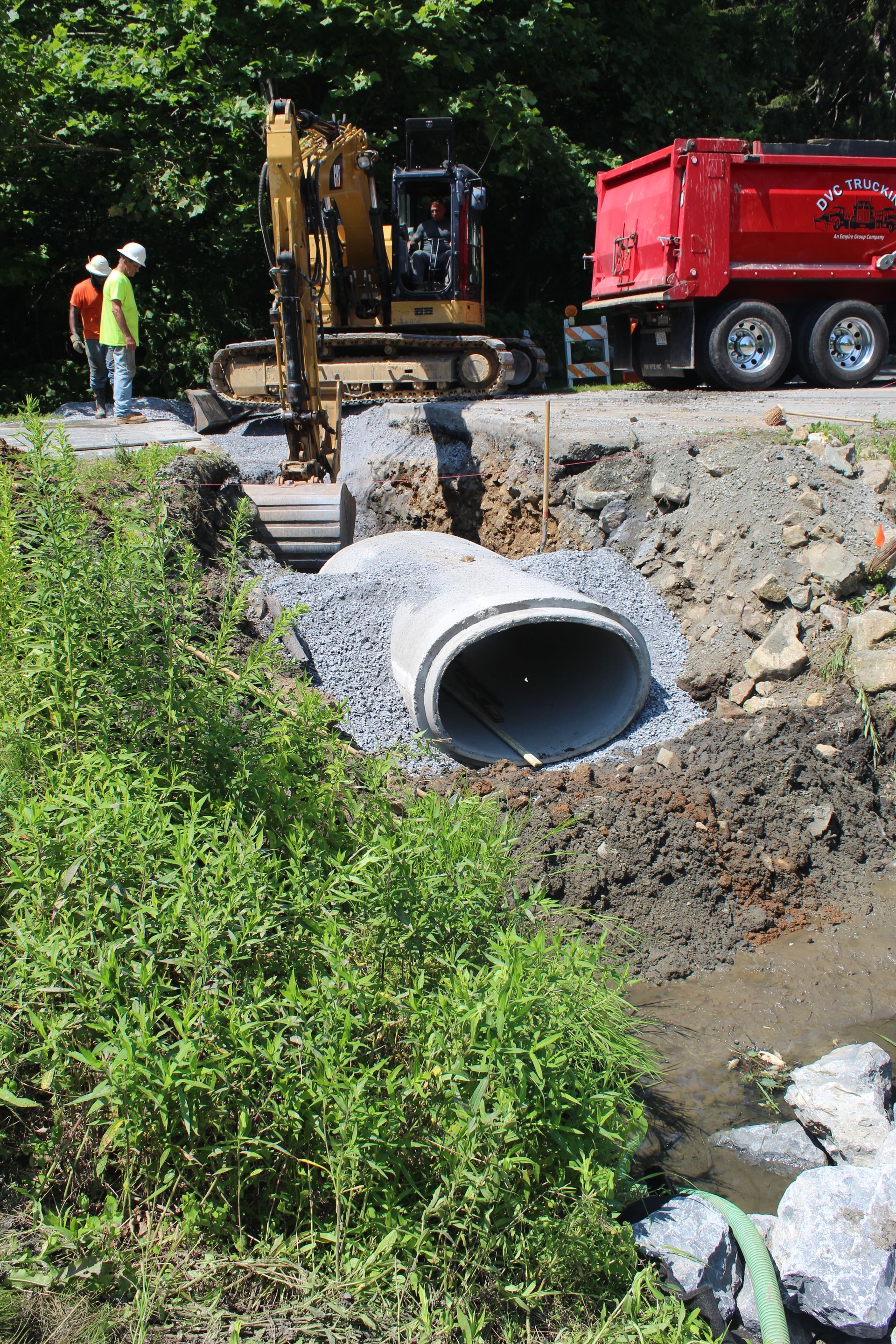
Many remediation projects involve contaminated soil excavation and removal. Excavated materials frequently require segregation, stockpile management, sampling, and waste characterization before transportation and disposal can occur. Site conditions may also require dewatering activities, groundwater management, or treatment of impacted water generated during excavation.


Industrial infrastructure can add another layer of complexity. Underground storage tanks, aboveground storage tanks, process piping, containment systems, and other site features often need to be removed, cleaned, or modified as part of the remediation process. These activities require specialized equipment and experienced personnel capable of adapting to changing field conditions.


Elk Environmental supports remediation projects through a wide range of field services designed to address these challenges. From contaminated material handling and industrial cleaning to dewatering support and transportation, Elk’s expert field services team maintains momentum throughout remediation efforts. 


One of the most valuable tools on many remediation projects is vacuum truck technology. Elk’s vacuum truck services support the removal of contaminated liquids, wastewater, sludge, and debris while helping reduce manual handling requirements. Vacuum trucks are frequently used during tank cleaning projects, excavation support activities, spill response operations, and groundwater management efforts, making them an important resource on industrial remediation sites.


Managing Waste and Maintaining Compliance


Removing contamination from a site is only part of the remediation process. Once materials are generated, they must be properly classified, transported, and disposed of in accordance with applicable regulations. Waste characterization helps determine how contaminated soil, liquids, sludge, and debris should be managed and identifies approved facilities capable of accepting those materials.


Waste management activities can significantly influence project schedules and costs. Transportation logistics, disposal approvals, laboratory analysis, and documentation requirements must all be coordinated to prevent delays. On larger projects, multiple waste streams may be generated simultaneously, requiring careful planning and communication among contractors, consultants, and disposal facilities.


Because remediation projects often involve numerous stakeholders, maintaining clear communication throughout the cleanup process is essential. Coordinated waste management strategies help reduce bottlenecks and support efficient project execution in full compliance.


Documentation, Verification, and Site Closure


As field activities come to an end, attention turns toward verification and documentation. Confirmation sampling is often performed to demonstrate that cleanup objectives have been achieved. Laboratory data, waste manifests, disposal records, transportation documentation, and project summaries are compiled to create a comprehensive record of remediation activities.


Under Act 2, documentation serves as the basis for regulatory review and project closure. Final reports provide regulators with the information necessary to evaluate cleanup efforts and determine whether remediation standards have been met. Thorough documentation can also support future property transactions, redevelopment initiatives, and long-term facility planning.


While site closure represents the final stage of remediation, it is ultimately the result of extensive coordination among environmental professionals, field personnel, contractors, and regulatory agencies. Each phase contributes to achieving a successful outcome and reducing environmental risk.


Supporting Remediation Projects from Start to Finish


Industrial remediation is a process, not a single cleanup event. Successful projects require a clear understanding of site conditions, thoughtful planning, effective field execution, responsible waste management, and comprehensive documentation. When these elements work together, contaminated properties can move toward regulatory closure while supporting continued industrial operations or future redevelopment.


Elk Environmental Services supports remediation projects throughout Pennsylvania and the Mid-Atlantic region by providing the field services, equipment, transportation capabilities, and environmental expertise needed to move projects forward. Whether addressing contaminated soil, groundwater impacts, tank closures, or industrial cleanup activities, Elk helps clients navigate the remediation process while maintaining a focus on safety, compliance, and operational efficiency. Contact Elk today to learn what they can do for your remediation project.


By Empire Group June 29, 2026
Summer has always brought long, hot days, but in recent years, the heat has become more intense than ever. It seems like each summer the temperatures climb a little higher, and the data supports that feeling. If fact, experts are predicting this year to be the hottest —beating the record set in 2024. This means outdoor workers face greater risks than ever before. Whether you're working in construction, demolition , utility services , trucking , landscaping, roadwork, or any other outdoor profession , heat can be dangerous. Prolonged exposure to high temperatures can lead to dehydration, heat exhaustion, and even life-threatening heat stroke. Knowing how to recognize the warning signs and take preventive measures can make all the difference.
By Empire Group June 9, 2026
Every business has a responsibility to protect its employees. Whether it's preventing falls on a construction site, ensuring proper handling of hazardous materials, or promoting safe driving practices, workplace safety remains one of the most important investments an organization can make. National Safety Month gives employers across industries an opportunity to reinforce their commitment to safety, educate their teams, and strengthen workplace practices that help prevent injuries and save lives.
By Empire Group May 15, 2026
As we look forward to summer, we’re reflecting on some of the exciting projects completed by Empire Group affiliate Empire Services over the past few months. It’s been a pleasure helping our customers achieve their goals. From excavating a corral to dismantling a roof, the Empire Services team has taken on a wide range of projects. Let’s take a closer look at a few highlights.
By Empire Group May 4, 2026
May is Building Safety Month and National Electrical Safety Month. These two initiatives highlight the crucial intersection of electrical and building safety in any construction or renovation project. With that in mind, it's an ideal time to reexamine current safety practices. Preventing even a single trip or electrical shock can protect both workers and productivity by avoiding injuries, lost work time, and potential OSHA violations. Let's briefly explore these important events.
By Empire Group April 20, 2026
Do you know how long it takes to send or read a text and take your eyes off the road? Five seconds. It only takes seconds for a car crash to happen. April is National Distracted Driving Awareness Month. It’s a poignant reminder of the importance of staying focused on the road. This initiative, spearheaded by Shelly Forney after the tragic loss of her daughter in 2008, serves as a sobering call to action for drivers everywhere. As we reflect on the significance of this month, let's explore some practical strategies to mitigate distractions and promote safer truck driving habits. Stay Connected with Safety: The allure of our smartphones is undeniable, but using them while driving poses a significant risk. According to the Defensive Driving Institute, 8% of fatal crashes were reported as distraction-related. In 2025, Governor Shapiro of Pennsylvania signed into law ( Paul Miller’s Law ) that makes it illegal to use a hand-held device while driving, even while stopped at a red light. Even though there is a text-while-driving ban, Paul Miller’s Law forces people to put the phone down while their vehicle is in motion. Prep Before You Drive: Modern vehicles come equipped with an array of distractions right at our fingertips. Take a proactive approach by setting your radio stations, adjusting temperature controls, and programming your GPS before hitting the road. These seemingly innocuous tasks can demand significant attention, equivalent to engaging in a phone conversation. By minimizing these distractions, we can maintain focus on the primary task at hand: driving safely. Fuel for the Road, Not Distractions: In our fast-paced lives, the temptation to multitask extends to eating and drinking behind the wheel. However, the risks far outweigh the convenience. Not only does eating while driving increase the likelihood of spills and stains, but it's also against the law in many jurisdictions. For truck drivers, prioritize safety and compliance by taking regular breaks to refuel both yourself and your vehicle. Remember, a few extra minutes spent off the road can prevent a lifetime of regret. As we navigate National Distracted Driving Awareness Month, let's pledge to prioritize safety behind the wheel. By adopting proactive measures to mitigate distractions and promoting a culture of responsibility, we can collectively strive towards safer roads for all. At Empire Group, we are committed to ensuring the safety of affiliate truck drivers and the public through the latest safety training.
By Empire Group April 3, 2026
Lab Pack Disposal: Safe and Compliant Chemical Management for Schools, Labs, and Hospitals Laboratories, schools, and healthcare facilities often accumulate chemicals over time, ranging from outdated reagents to small volumes of unknown substances. Even chemicals that appear harmless can pose hazards if they are expired, improperly labeled, or stored without a plan. All can put your organization at risk. Unmanaged inventories create not only immediate safety concerns, such as chemical reactions or exposure, but also long-term compliance and liability issues. Facility managers must consider the impact of inspections, renovations, and potential accidents when these materials are left unchecked. That’s where Elk Environmental Services (Elk) comes in. Addressing chemical hazards is one of the core services at Elk Environmental Services, one of our affiliates. By removing outdated or unidentified chemicals before an incident occurs, Elk chemists help institutions protect staff, students, and patients while reducing exposure to regulatory penalties. Professional services, such as lab packing services for waste products , offer a structured approach that ensures compliance with federal and state requirements while minimizing disruption to daily operations. Article Highlights Unidentified and expired laboratory chemicals create serious safety and compliance risks long before an incident occurs. Lab pack disposal is often the fastest and safest way to remove hazardous chemicals during inspections, cleanouts, and facility transitions. Improper chemical storage can expose schools, labs, and hospitals to regulatory violations and long-term liability. Professional lab pack services reduce risk by ensuring proper identification, segregation, and compliant disposal. Elk Environmental Services helps institutions resolve chemical waste challenges before they become compliance issues. Lab Packing Disposal: A Proven Solution at Elk Lab packing provides a safe and compliant method to manage hazardous chemicals, particularly in facilities with complex inventories. By consolidating small containers into approved drums and ensuring proper labeling, institutions can reduce the risk of accidental reactions during storage and transport. The Elk team has extensive experience providing these services across the Mid-Atlantic region, helping schools, hospitals, laboratories, and businesses meet safety standards while maintaining operational continuity. Not sure where to begin? Elk has seen a variety of lab pack disposal situations in their 38+ years in business! That means they can help you ensure regulatory compliance with EPA, OSHA, and DOT standards. They’ll remove chemicals efficiently, maintain detailed documentation for audits, and protect administrators from potential liability. The structured process reduces stress on staff and ensures that hazardous materials are managed responsibly from start to finish. Who Benefits From Lab Packing Disposal Services Schools and universities with teaching and research laboratories face unique challenges in managing a wide range of chemicals used in experiments and instruction. Hospitals and healthcare facilities store regulated reagents and disinfectants that require careful disposal to avoid staff or patient exposure. Similarly, commercial and research laboratories experience constant changes in chemical usage, necessitating regular cleanouts to remain compliant. Despite operational differences, these environments share common regulatory pressures and safety concerns. Professional lab pack services provide a reliable solution, helping institutions identify hazards, segregate chemicals, and dispose of them safely. Partnering with a trusted provider ensures that all chemicals are handled correctly, compliance is maintained, and facility managers can focus on operations rather than risk management. The Risks of Improper Chemical Storage and Disposal Failure to manage chemicals correctly can lead to severe safety hazards, including fires, chemical reactions, or exposure to toxic substances. In one analysis of laboratory incidents , nearly 40% of recorded accidents were linked to improper storage or handling of chemicals. Environmental contamination is another concern, as improperly disposed of chemicals can pollute soil and water and require expensive remediation efforts. Regulatory violations can result in significant fines and increase the liability for administrators and facility managers. Delaying disposal often magnifies these risks. Chemicals may degrade, containers may corrode, and hazards can multiply over time, creating more complex challenges. Proactive lab pack disposal mitigates these dangers, reducing both safety risks and long-term costs. While resources such as the EPA Hazardous Waste Overview provide guidance, it’s professional services that ensure facilities adhere to all regulatory and safety standards without guesswork. How Elk Environmental Services Manages Lab Pack Disposal Elk Environmental Services follows a systematic process to manage hazardous chemicals safely. Their team perform on-site chemical identification, taking inventory of all materials before proceeding. Chemicals are then segregated by compatibility and packed into certified drums with proper labeling, ensuring safe handling during transport. Licensed carriers deliver the drums to approved disposal facilities, completing the process with full regulatory compliance. Beyond physical disposal, we emphasize safety and operational continuity. Staff receive guidance throughout the process, and all documentation is maintained to satisfy audit requirements. Facilities benefit from the combination of Elk’s hazardous waste disposal and compliance expertise, which simplifies inspections, reduces risk, and ensures that hazardous chemicals are managed responsibly from start to finish. Compliance, Documentation, and Regulatory Confidence Maintaining manifests, labels, and accurate records is crucial for meeting EPA, OSHA, and DOT requirements. Professional lab packing services simplify this process, providing facilities with peace of mind during inspections and audits. Partnering with an experienced provider reduces administrative burden and ensures that all chemicals are handled in accordance with local, state, and federal regulations. The PHMSA Hazardous Materials Regulations guide the safe transport of hazardous substances, reinforcing the need for professional management. By combining proper documentation with professional disposal, institutions not only protect staff and the environment but also maintain long-term regulatory confidence. Elk Environmental Services ensures that compliance is integrated throughout every step of the process, creating a safe and controlled approach to chemical management. Final Thoughts: A Safer Approach to Chemical Management Lab pack disposal is a crucial tool for facilities aiming to maintain safety, compliance, and environmental responsibility. Partnering with a trusted provider, such as Elk Environmental, allows schools, hospitals, and laboratories to remove outdated, excess, or unknown chemicals before they become a hazard or regulatory concern. Proactive chemical management protects staff, students, and patients while minimizing long-term liability and operational disruption. Institutions ready to take control of their chemical inventories can contact Elk today to schedule a lab packing. By addressing hazardous materials before they become problems, facilities can ensure safe, compliant, and efficient operations for years to come.
An employee is about to climb a ladder using the latest safety practices.
By Empire Group March 6, 2026
Learn why National Ladder Safety Month matters in 2026. Discover real-world ladder safety tips, common hazards, and training options to prevent workplace falls.
By Empire Group February 19, 2026
As we look forward to welcoming spring, we’re reflecting on some of the exciting projects completed by Empire Group affiliates over the past few months. It’s been a pleasure helping our customers achieve their goals. From snow removal to dismantling a clarifier, our teams have taken on a wide range of projects. Let’s take a closer look at a few highlights.
By Empire Group February 5, 2026
February is American Heart Month, a powerful reminder that heart health (and heart safety) should never be taken lightly. While we often associate heart emergencies with hospitals or medical settings, the reality is far more personal and far closer to home. In recent years, sudden cardiac arrest has made national headlines, affecting celebrities, professional athletes, politicians, and everyday people just like us. These events serve as a sobering reminder: cardiac emergencies don’t wait for the “right” place or time. They can happen anywhere—at a sporting event, during a community gathering, or even in a conference room. When seconds matter, preparation makes all the difference. CPR and AEDs: Knowing About Them Isn’t Enough Most people recognize the terms CPR (cardiopulmonary resuscitation) and AED (automated external defibrillator). In an actual emergency, recognition alone won’t save a life, but confidence and proper training will. Here are a few critical facts everyone should know: The Golden Minutes Brain damage can begin within seconds of cardiac arrest. After just four minutes without intervention, damage may be irreversible. Survival Rate Decline For every minute CPR and defibrillation are delayed, the chance of survival drops by 10%. Effective CPR Compressions High-quality CPR requires chest compressions at least two inches deep for adults, delivered consistently and correctly. Cardiac Arrest Happens Outside Hospitals According to the American Heart Association, over 350,000 cardiac arrests occur outside of hospitals each year, with more than 10,000 happening in workplace settings alone. The right training can turn an ordinary person into a lifesaver. How Elk Environmental Services Can Help If you’re not 100% confident in your CPR skills or AED knowledge, Elk Environmental Services, one of our affiliates, is here to help. Elk's experienced trainers offer monthly First Aid and CPR training, designed to equip individuals and organizations with the knowledge and hands-on experience they need to respond confidently during an emergency.
By Empire Group January 23, 2026
Managing waste responsibly is crucial for all industrial, commercial, and municipal operations. Whether your facility generates hazardous, non-hazardous, residual, universal, or industrial waste, staying compliant protects your business and the environment. Elk Environmental Services (Elk), one of our affiliates, supports organizations across Pennsylvania and the Mid-Atlantic with cradle-to-grave waste management solutions , emergency response , and compliance training , among other services. Below are 10 of the most frequently asked questions Elk receives from businesses seeking to streamline their waste management programs. 1. What services does Elk Environmental provide for waste generators? Elk manages hazardous and non-hazardous waste, residual waste, universal waste, industrial waste, and special waste streams. Services include waste profiling, packaging, transportation, disposal, waste training for EHS professionals, spill response, industrial cleaning, and vacuum truck operations. Elk's goal is to provide safe, compliant, and cost-effective solutions for every type of generator. 2. What is the difference between a Large Quantity Generator (LQG) and a Small Quantity Generator (SQG)? These generator categories are defined by how much hazardous waste a facility generates in a single month, which remains an important baseline even for facilities managing multiple waste types. Large Quantity Generator (LQG): Generates 1,000 kg (≈2,200 lb.) or more of hazardous waste in a month, or 1 kg (≈2.2 lb.) or more of acutely hazardous waste. Small Quantity Generator (SQG): Generates more than 100 kg (≈220 lb.) but less than 1,000 kg of hazardous waste in a month. Very Small Quantity Generator (VSQG): Generates 100 kg (≈220 lb.) or less hazardous waste in a month, including no more than 1 kg (≈2.2 lb.) of acutely hazardous waste. Many facilities use similar internal thresholds to categorize overall waste output and determine storage practices, required plans, and training needs. Elk helps facilities assess their generation levels and align their compliance responsibilities. 3. How long can waste be stored onsite? Storage time limits depend on the type and quantity of waste generated, but general federal thresholds include: LQGs: Up to 90 days of onsite accumulation. SQGs: Up to 180 days, or 270 days if waste must be transported 200 miles or more. VSQGs: No federal time limit is set for onsite accumulation, but generators must manage waste safely and in compliance with local regulations. Even non-hazardous, universal, or residual waste streams often have labeling and storage requirements designed to prevent spills, mismanagement, or compliance gaps. 4. Does Elk Environmental provide waste pickup and disposal? Yes. Elk provides turnkey collection, transportation, and disposal for hazardous and non-hazardous waste, including industrial waste, residual waste, universal waste, sludge, wastewater, contaminated materials, and bulk solid and liquid wastes. They handle a variety of shipment types, from LTL shipments in drums, totes, and pails to full loads in Cubic Yard Boxes (CYBs). The team also manages profiling, labeling, manifests, and all required documentation, ensuring safe, compliant, and efficient service for every type of waste stream. 5. Is there any training needed for a generator to sign a manifest? Yes, a generator will need: DOT Hazmat Training (49 CFR 172.704), which covers general awareness, function-specific knowledge (classification, packaging, marking, labeling, placarding), and security awareness, as defined in 49 CFR Part 172, Subpart H. RCRA (Resource Conservation and Recovery Act) Training , which addresses EPA’s hazardous waste management rules, including emergency preparedness specific to your generator status (e.g., Large Quantity Generator). 6. What are the most common compliance issues for waste generators? Common issues Elk sees across industries include: Incomplete or incorrect waste characterization Missing or improper container labels Storing materials beyond allowable time limits Lack of up-to-date training or missing documentation Outdated contingency or emergency plans Incomplete manifests or shipping paperwork 7. What training programs does Elk Environmental Services offer? Elk offers a complete suite of compliance and safety training, including: RCRA Waste Management Training DOT Hazardous Materials Transportation Training HAZWOPER Spill Response and Emergency Preparedness Customized On-site Training Training is available in person or online and meets state and federal regulatory requirements. 8. What information must be included on a non-hazardous manifest? Typical manifests include: Generator’s name, address, and identification number Transporter information and license number Receiving facility details and permit number Description of the waste (type, quantity, and physical form) Waste code or classification Date of shipment and signatures from generator, transporter, and receiver Some states (like Pennsylvania) have specific manifest forms and digital systems (e.g., PA DEP’s Residual Waste Manifest System). 9. Does Elk Environmental offer vacuum truck services? Yes. Their vacuum truck fleet supports a wide range of operational and environmental needs, including: Sludge and wastewater removal Tank cleaning and industrial pit cleanouts Spill cleanup and contaminated material removal Storm sewer and stormwater system maintenance Support for environmental remediation They provide both scheduled and emergency response services. 10. How can Elk Environmental help with emergency spill response? Elk offers 24/7 emergency response for chemical spills, transportation incidents, industrial releases, and environmental emergencies. Their team handles containment, cleanup, waste removal, regulatory reporting, and full documentation. If your facility requires an SPCC (Spill Prevention, Control, and Countermeasure) plan, Elk can be utilized as a first responder spill contractor in your plan. Need help managing your waste streams? Elk Environmental Services can support your operations. Whether you generate hazardous waste, non-hazardous waste, residual materials, or a combination of industrial waste streams, Elk Environmental Services offers the expertise, documentation support, and field services needed to stay safe and compliant. 👉 Contact Elk today!
More Posts