By Empire Group
•
July 20, 2026
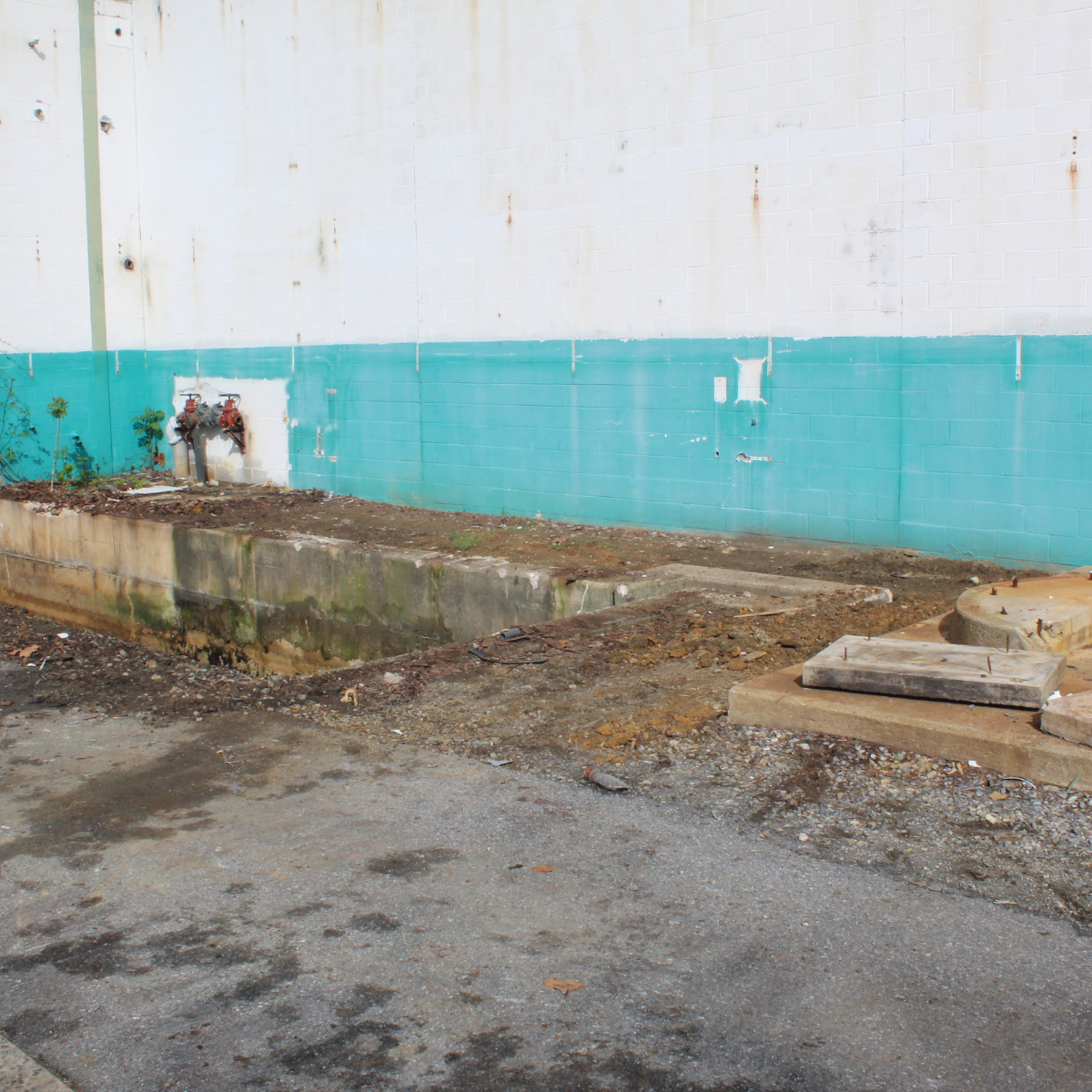
Industrial remediation projects are rarely as simple as excavating contaminated soil and hauling it away. Whether contamination is discovered during a property transaction, facility expansion, tank closure, or environmental assessment, remediation involves a series of coordinated steps that can span months or even years. Site investigations, regulatory planning, field services, waste management, and documentation all play a role in moving a project toward closure. For industrial facilities throughout Pennsylvania, many of these projects are completed under the Pennsylvania Department of Environmental Protection’s Act 2 Land Recycling Program , which provides a framework for investigating contamination, achieving cleanup goals, and returning properties to productive use. Elk Environmental Services (Elk), one of our affiliates, provides remediation support that extends throughout the entire project lifecycle. From site preparation and contaminated material handling to transportation and disposal, Elk works alongside environmental consultants, engineers, contractors, and site managers to keep remediation projects moving efficiently while maintaining compliance. Understanding Site Conditions Before Remediation Begins Every successful remediation project starts with understanding the extent of contamination. Before cleanup activities can begin, environmental professionals must determine what contaminants are present, where they are located, and whether they pose a risk to human health or the environment. This investigation phase often includes soil sampling, groundwater monitoring, historical records reviews, and site inspections designed to establish the boundaries of contamination and identify potential pathways for migration. Industrial contamination can originate from many different sources. Historical manufacturing operations, petroleum releases, leaking storage tanks, chemical handling areas, wastewater management systems, and accidental spills can all contribute to environmental impacts that require remediation. In some cases, contamination may be limited to a small area. In others, contaminants may have migrated through soil or groundwater over time, creating a larger and more complex project. The information gathered during site investigations helps establish remediation objectives and provides the data needed to develop an effective cleanup strategy. It also allows project stakeholders to evaluate schedules, budgets, disposal requirements, and regulatory obligations before work moves into the field. Planning a Remediation Strategy Under Act 2 Once site conditions have been defined, planning becomes the next critical phase. Pennsylvania’s Act 2 program gives environmental professionals flexibility when selecting remediation standards based on site conditions and future property use. The program was created to encourage voluntary cleanup efforts while maintaining protections for human health and the environment, making it an important tool for industrial property owners, developers, and manufacturers. During the planning phase, environmental consultants work to establish cleanup goals, evaluate remedial alternatives, and prepare the documentation necessary to move a project forward. The Pennsylvania DEP provides detailed standards and guidance for Act 2 projects through its remediation program resources, helping project teams understand reporting requirements and cleanup expectations. For active industrial facilities, remediation planning often extends beyond environmental considerations. Project teams must account for production schedules, site access limitations, utility infrastructure, truck traffic, and worker safety requirements. Careful planning helps reduce disruptions while creating a roadmap for the field activities that follow. Where Cleanup Happens: Field Operations and Remediation Activities Once planning is complete, remediation activities move into the field. This phase often represents the most visible part of the project, but it is also where coordination becomes especially important. Cleanup activities must be performed safely, efficiently, and in accordance with project objectives and regulatory requirements. Many remediation projects involve contaminated soil excavation and removal. Excavated materials frequently require segregation, stockpile management, sampling, and waste characterization before transportation and disposal can occur. Site conditions may also require dewatering activities, groundwater management, or treatment of impacted water generated during excavation. Industrial infrastructure can add another layer of complexity. Underground storage tanks, aboveground storage tanks, process piping, containment systems, and other site features often need to be removed, cleaned, or modified as part of the remediation process. These activities require specialized equipment and experienced personnel capable of adapting to changing field conditions. Elk Environmental supports remediation projects through a wide range of field services designed to address these challenges. From contaminated material handling and industrial cleaning to dewatering support and transportation, Elk’s expert field services team maintains momentum throughout remediation efforts. One of the most valuable tools on many remediation projects is vacuum truck technology. Elk’s vacuum truck services support the removal of contaminated liquids, wastewater, sludge, and debris while helping reduce manual handling requirements. Vacuum trucks are frequently used during tank cleaning projects, excavation support activities, spill response operations, and groundwater management efforts, making them an important resource on industrial remediation sites. Managing Waste and Maintaining Compliance Removing contamination from a site is only part of the remediation process. Once materials are generated, they must be properly classified, transported, and disposed of in accordance with applicable regulations. Waste characterization helps determine how contaminated soil, liquids, sludge, and debris should be managed and identifies approved facilities capable of accepting those materials. Waste management activities can significantly influence project schedules and costs. Transportation logistics, disposal approvals, laboratory analysis, and documentation requirements must all be coordinated to prevent delays. On larger projects, multiple waste streams may be generated simultaneously, requiring careful planning and communication among contractors, consultants, and disposal facilities. Because remediation projects often involve numerous stakeholders, maintaining clear communication throughout the cleanup process is essential. Coordinated waste management strategies help reduce bottlenecks and support efficient project execution in full compliance. Documentation, Verification, and Site Closure As field activities come to an end, attention turns toward verification and documentation. Confirmation sampling is often performed to demonstrate that cleanup objectives have been achieved. Laboratory data, waste manifests, disposal records, transportation documentation, and project summaries are compiled to create a comprehensive record of remediation activities. Under Act 2, documentation serves as the basis for regulatory review and project closure. Final reports provide regulators with the information necessary to evaluate cleanup efforts and determine whether remediation standards have been met. Thorough documentation can also support future property transactions, redevelopment initiatives, and long-term facility planning. While site closure represents the final stage of remediation, it is ultimately the result of extensive coordination among environmental professionals, field personnel, contractors, and regulatory agencies. Each phase contributes to achieving a successful outcome and reducing environmental risk. Supporting Remediation Projects from Start to Finish Industrial remediation is a process, not a single cleanup event. Successful projects require a clear understanding of site conditions, thoughtful planning, effective field execution, responsible waste management, and comprehensive documentation. When these elements work together, contaminated properties can move toward regulatory closure while supporting continued industrial operations or future redevelopment. Elk Environmental Services supports remediation projects throughout Pennsylvania and the Mid-Atlantic region by providing the field services, equipment, transportation capabilities, and environmental expertise needed to move projects forward. Whether addressing contaminated soil, groundwater impacts, tank closures, or industrial cleanup activities, Elk helps clients navigate the remediation process while maintaining a focus on safety, compliance, and operational efficiency. Contact Elk today to learn what they can do for your remediation project.